


A quiet house is never completely quiet. It has floorboards that creak after sunset, a curtain ring that shifts when the window is open a fraction. Yet place an antique clock in that same house and the silence changes character. The room is no longer simply absent of noise. It has a pulse.
That is one of the reasons an antique mechanical clock can feel so different from a modern object. A phone announces itself when it wants something. A laptop hums because it is working. A smart speaker waits for instruction. An antique clock does none of that. Its sound is not a notification. It is not a demand. It is the small, repeated evidence of a mechanism doing exactly what it was made to do.
In a very quiet room, the tick becomes more than a sound. It gives shape to the stillness around it. You notice the pause between one beat and the next. You hear how the case softens the movement, how wood changes metal into something warmer, how a mantelpiece or wall seems to lend the clock its own voice. The silence is not filled.
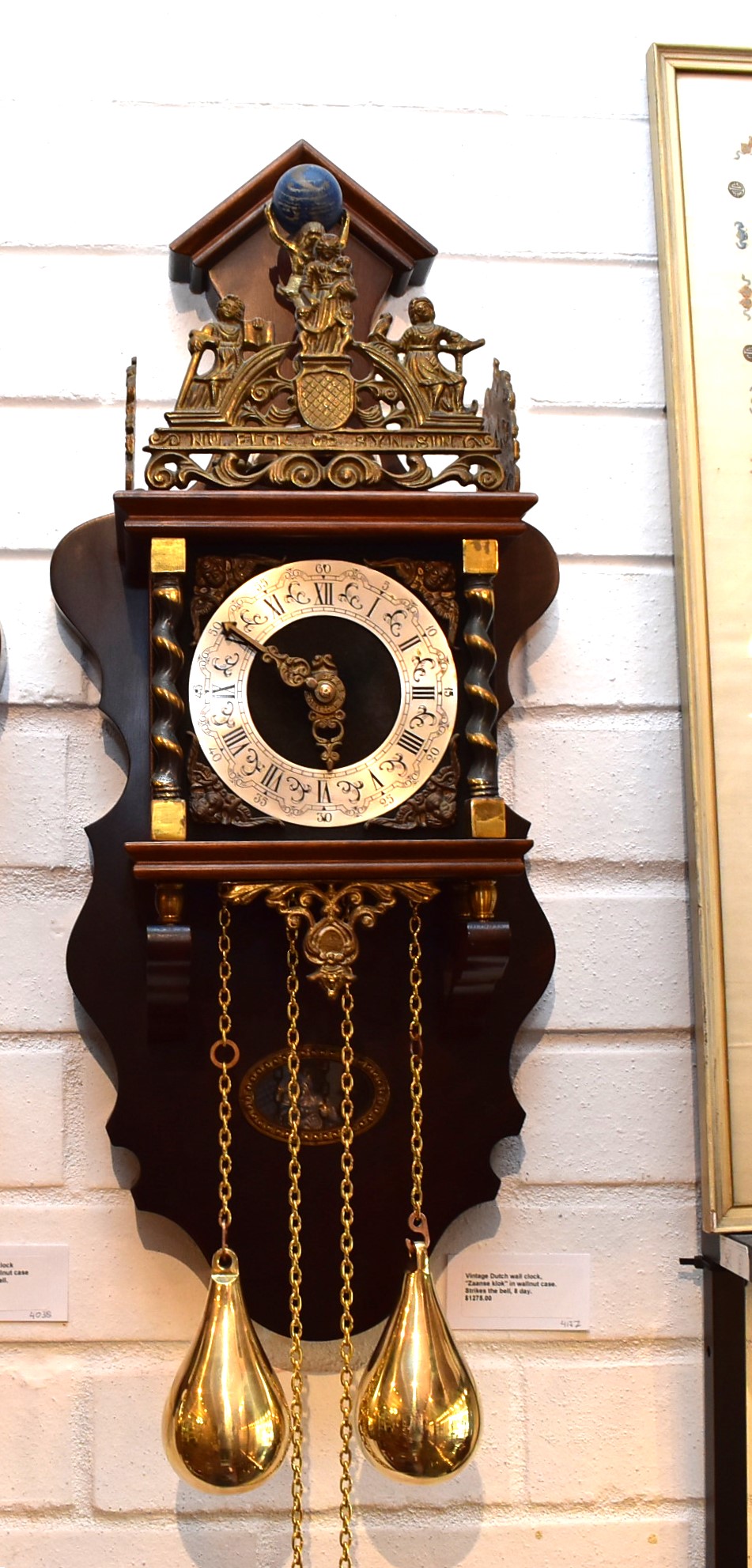
That distinction matters. A house with no sound at all can feel oddly unfinished, even a little scary. People often speak about silence as if it were one simple thing, but domestic silence has many moods. There is the deep silence of an empty room after guests have left. There is the morning silence before anyone has put the kettle on. There is the late evening silence when the street outside has given up for the day. A clock belongs especially well to those hours. It keeps the room company without disturbing it.
A working antique clock is also different from a decorative antique because it remains active. It has not retired into display. Somewhere inside, a wheel is being held and released, energy is being rationed, a pendulum or balance is dividing time into small permissions. That is partly why the sound feels alive. Not alive in a sentimental sense, but alive as a tool is alive when it is still fulfilling its purpose.
This is also why each clock has its own tone. A small carriage clock may sound clipped and bright. A longcase can be slower, deeper, more distant, especially when the case gives the sound room to breathe. A wall clock in a narrow hallway may seem more insistent than the same clock in a carpeted sitting room. Even the position in the house matters. Put a clock near glass, books, plaster, rugs or timber and it will answer differently. The mechanism may be regular, but the room is never neutral.
The hour strike adds another layer, but it should not be mistaken for the whole character of the clock. The strike is the moment everyone notices. The tick is there during reading, cleaning, thinking, waiting for someone to come home. It continues through all the unremarkable minutes that make up most of domestic life. In that sense, the quieter sound may be the more intimate one.
There is something contemporary about this, although the object itself is old. Modern homes are full of controlled conveniences, yet many of their sounds are thin or temporary. A door alert, a charging tone, a washing machine melody, a message arriving from nowhere. They are useful, but they have a completely different vibe. They often interrupt. The sound of an antique clock is slower and less eager. It does not update. It does not ask to be cleared. It simply continues.
That steady continuation can be strangely calming. Not because everyone wants constant ticking in every room. Some people find it distracting, and that is fair enough. But for those who like it, the sound offers a kind of low domestic order. It suggests that time is moving, but not rushing. It gives the mind something regular enough to ignore and familiar enough to miss when it stops.
And when it does stop, the silence changes again. Owners often notice the absence before they notice the hands. The room feels slightly wrong. A small thread has been cut. That moment says a lot about what the clock had been doing all along. It was not merely telling the hour. It was giving the house a rhythm.
Perhaps that is the real pleasure of an antique clock in a quiet house. It does not conquer silence. It teaches the silence how to behave. A good clock leaves space around itself. It lets the room remain calm, but not empty. It measures time, certainly, but it also gives time a texture that a digital clock never can.